
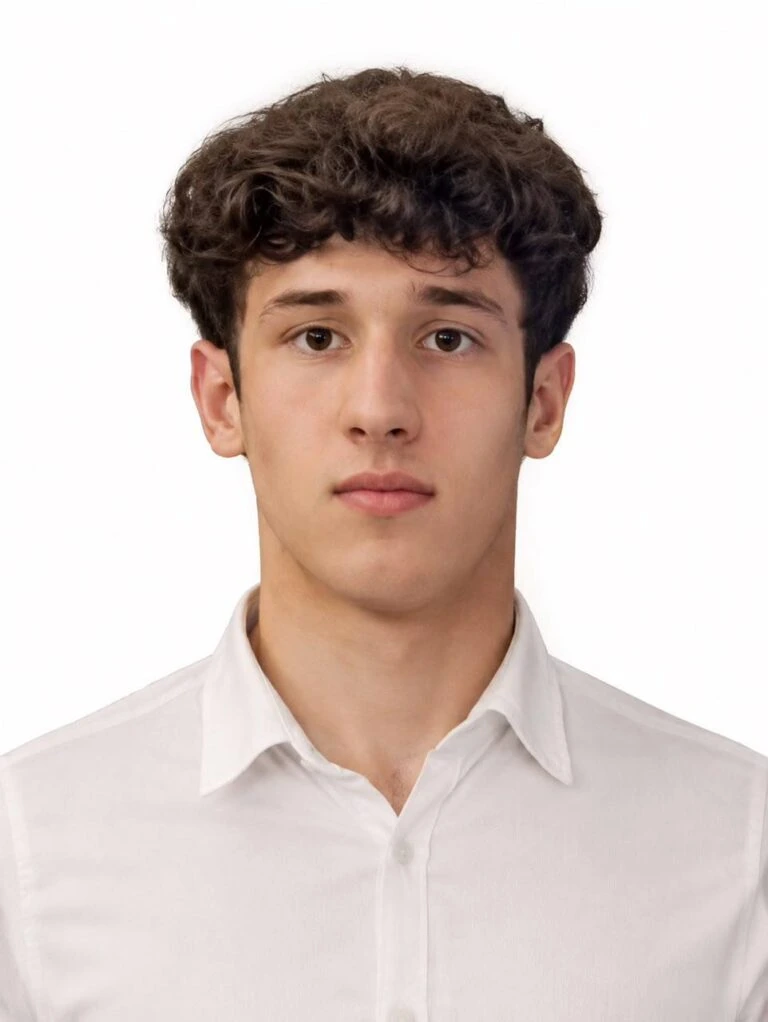
FOUNDER
LinkedIn profile Mykyta Koliesnik
Founder & Research Lead
EXORES / INTERNATIONAL STUDENT RESEARCH ACADEMY
Across disciplines, EXORES brings emerging researchers together to investigate CO₂ emissions mitigation in electricity and heat, transportation, manufacturing, agriculture, and buildings.
Two project profiles are currently published in the research index.
The idea behind EXORES
We help students move from learning about science to investigating the systems behind global CO₂ emissions.
Small teams, focused questions, honest methods, and collaboration across borders. Our five divisions bring physical science, computation, materials, Earth observation, and engineering into the same climate conversation.
Discover our mission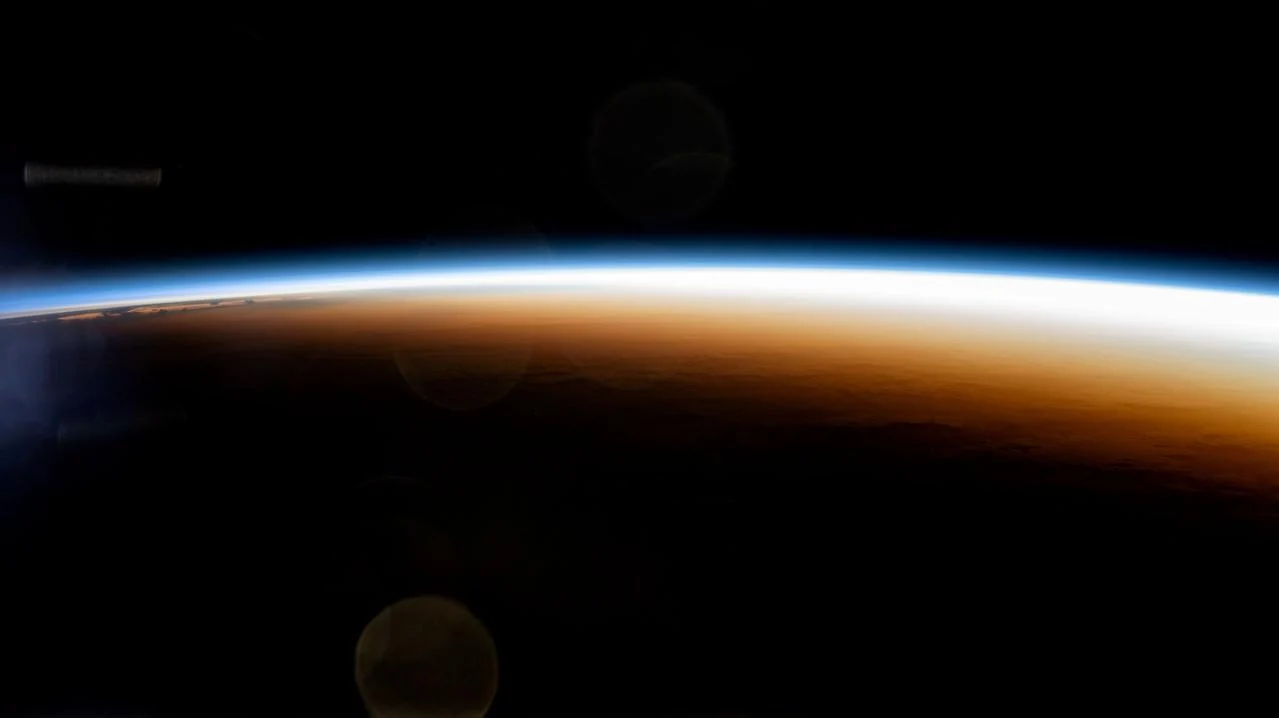
Every investigation starts with a different way of seeing.
RESEARCH IN PROGRESS
Five research projects have involved EXORES researchers to date. Two have public profiles here, describing their scope without claiming unreleased results.
Explore the project index
Aerospace engineering · Materials science
An investigation into material selection for spacecraft exposed to extreme thermal conditions near the Sun, considering thermal resistance, structural performance, and mission feasibility.
Explore project
Space systems · Engineering
A comparative study of wireless power transmission approaches for near-Sun space-based solar power concepts, examining efficiency, scale, thermal constraints, and mission feasibility.
Explore projectThe wider world of inquiry
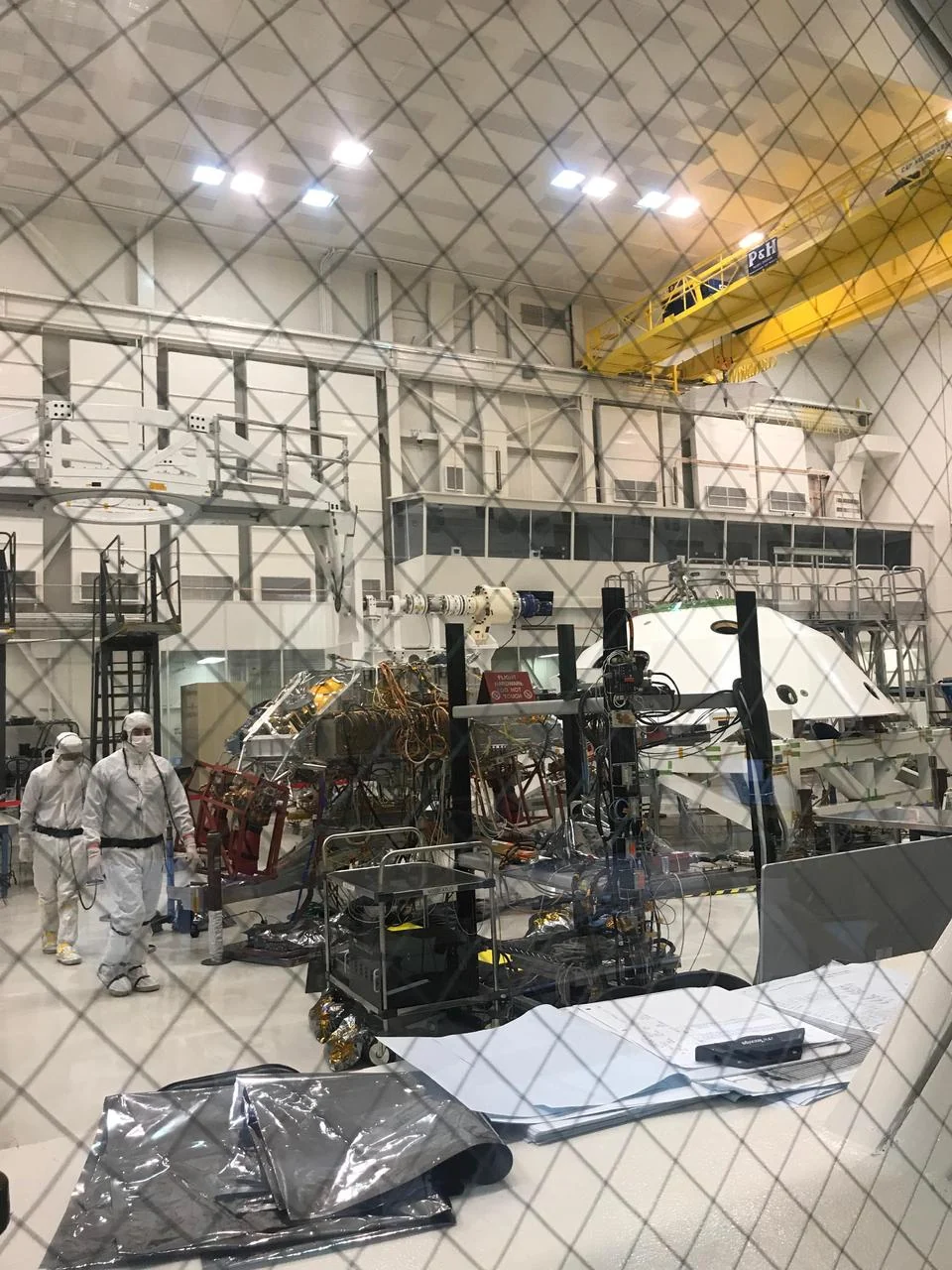
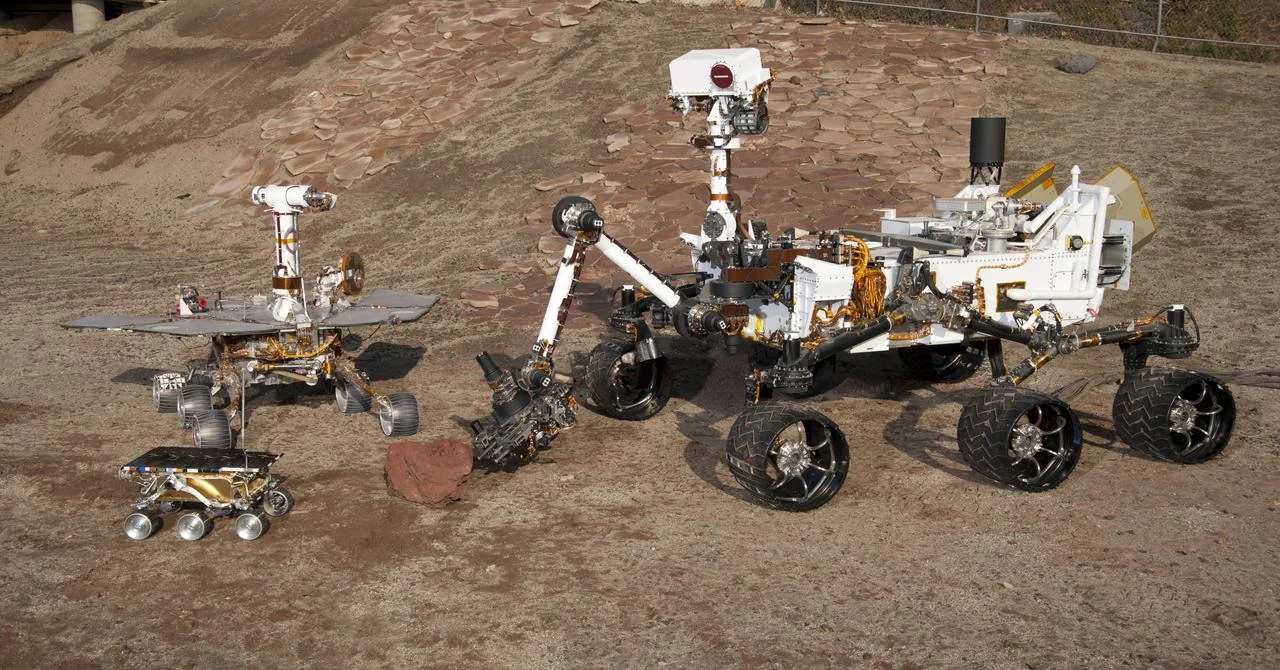
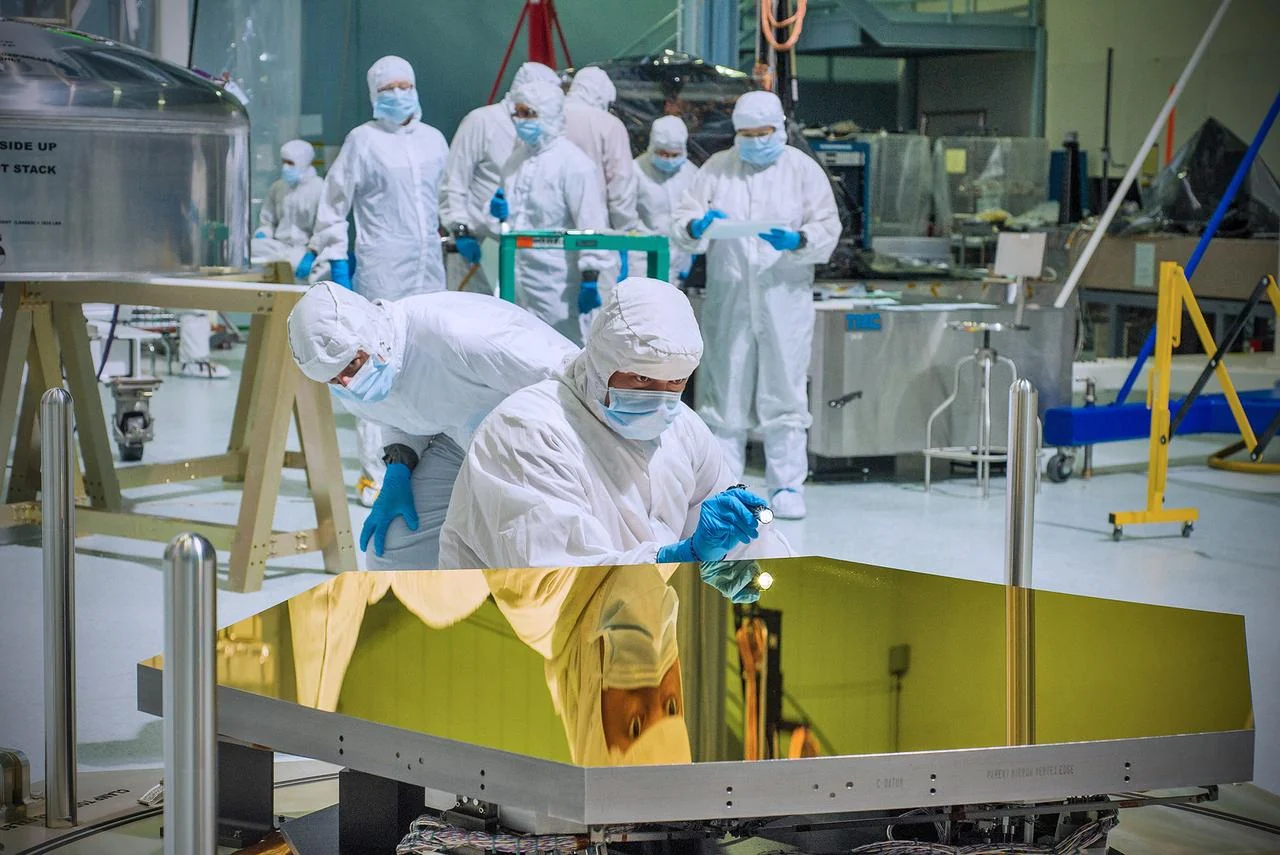
These NASA photographs offer a window into the practice and scale of space science. They are contextual imagery, not photographs of EXORES projects.
How the work happens
Our cohorts practice the whole cycle: reading what is known, choosing methods, testing assumptions, analyzing results, and explaining limits.
Choose a focused research question.
Read and assess existing work.
Develop models, simulations, or technical analyses.
Interpret results and their limits.
Document methods and findings clearly.
For the next generation of researchers
Image: NASA / JPL. View source ↗
FIVE DECARBONIZATION DIVISIONS
These divisions organize questions around the systems where emissions must be understood and reduced. Methods can cross between them.
Explore the divisions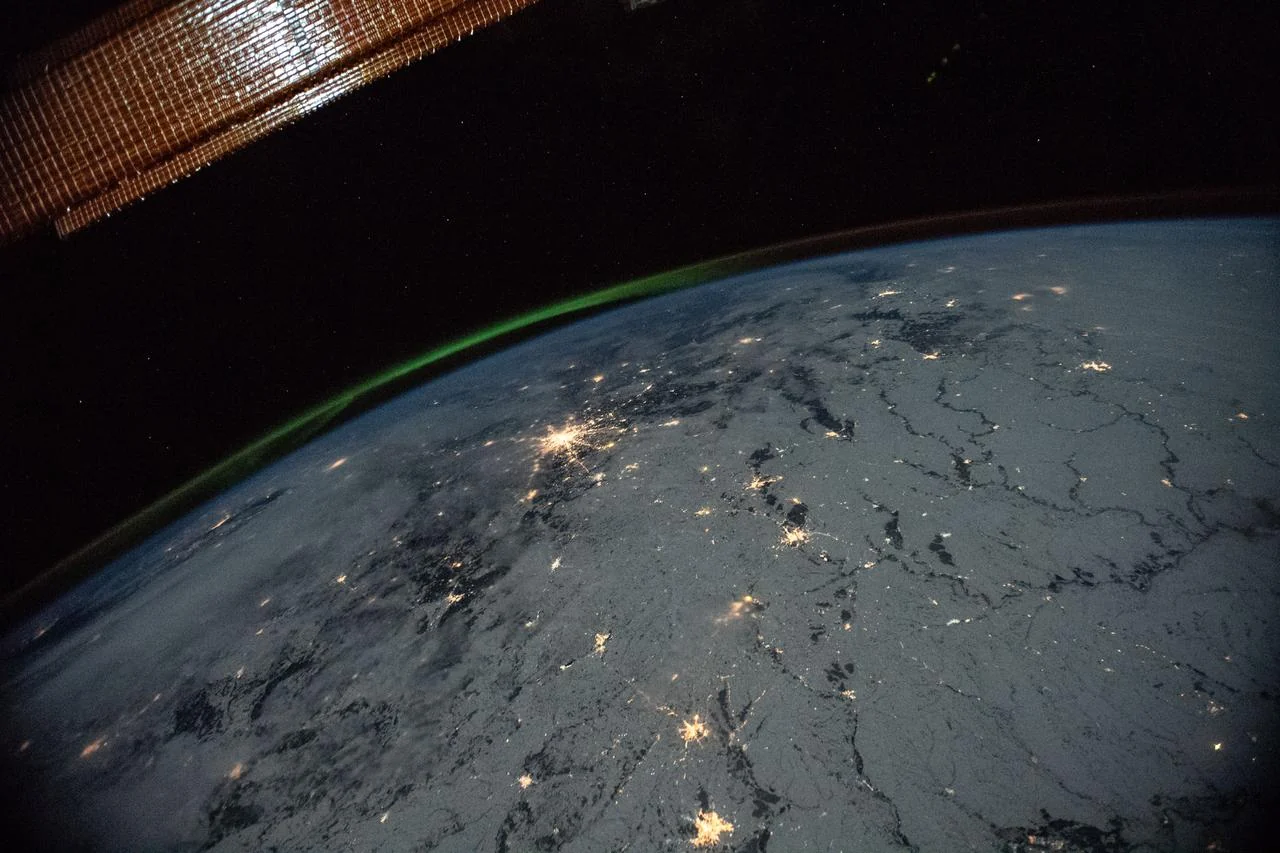
Space-based solar power, advanced high-gradient orbital physics, and clean grid architectures (Project SOLYSTRUM).
Explore learning resources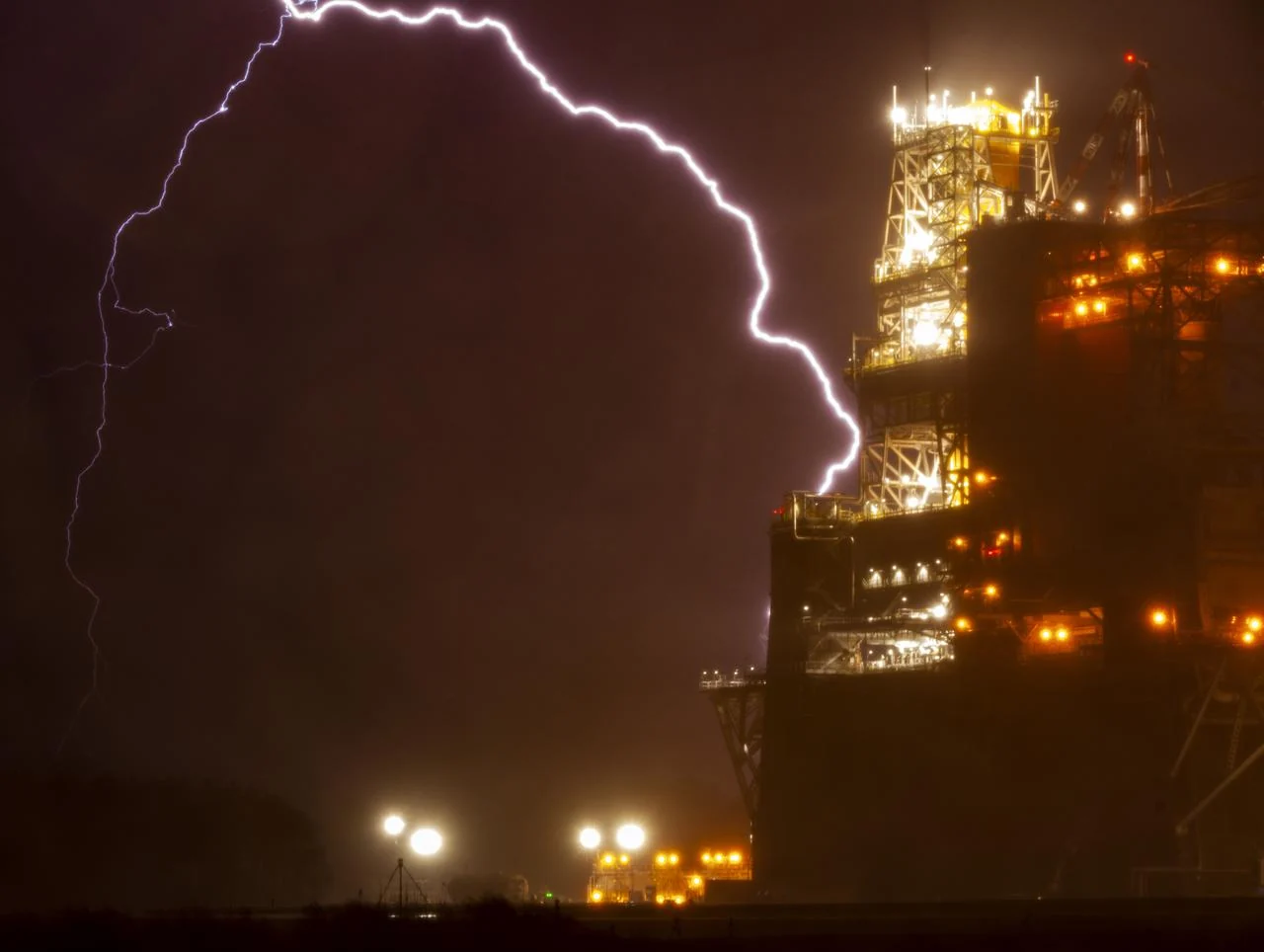
Computational Fluid Dynamics (CFD), aerodynamic flight-envelope optimization, and high-efficiency propulsion diagnostics.
Explore learning resources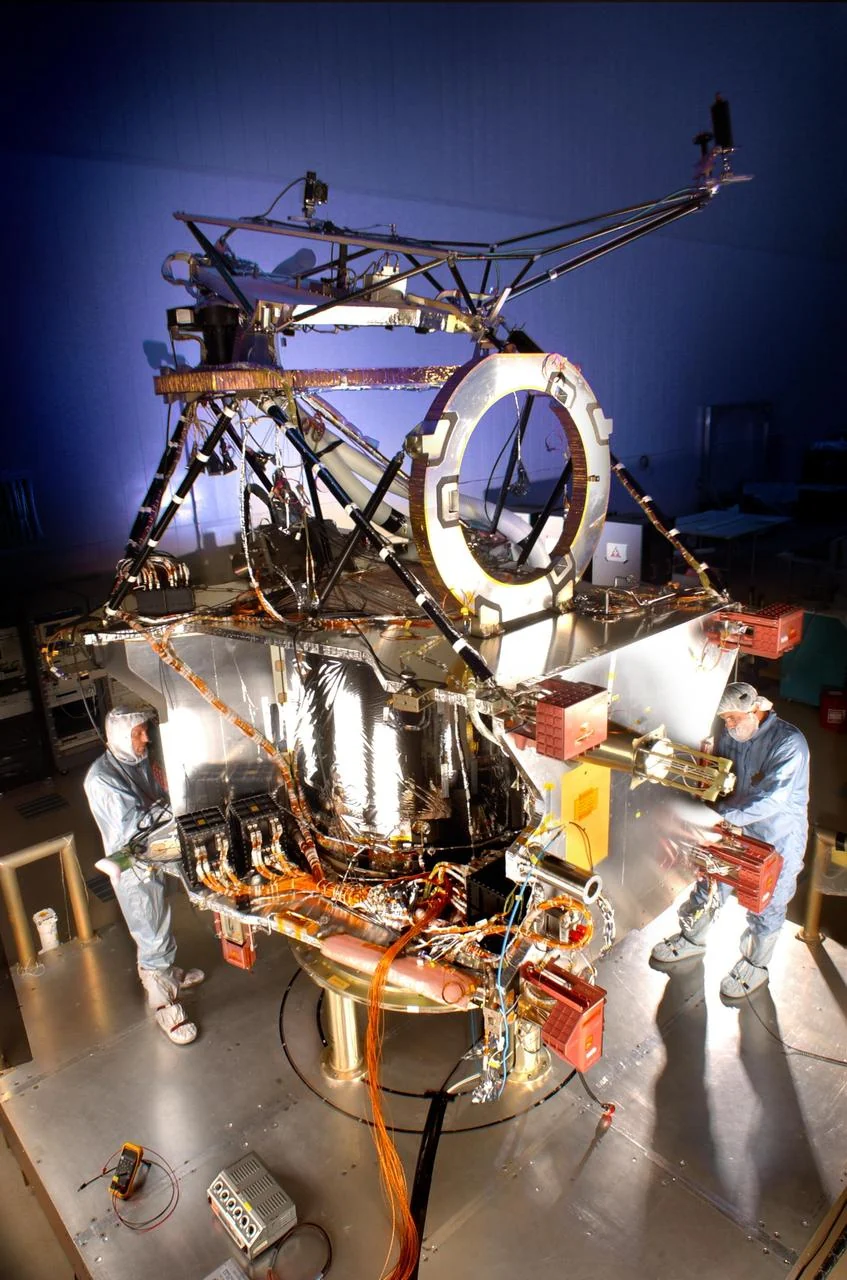
Ultra-high-temperature ceramics (UHTCs), active carbon-composite protective coatings, and industrial carbon capture chemistry.
Explore learning resourcesPredictive remote-sensing drone networks, environmental satellite telemetry, and computational soil-carbon modeling.
Explore learning resources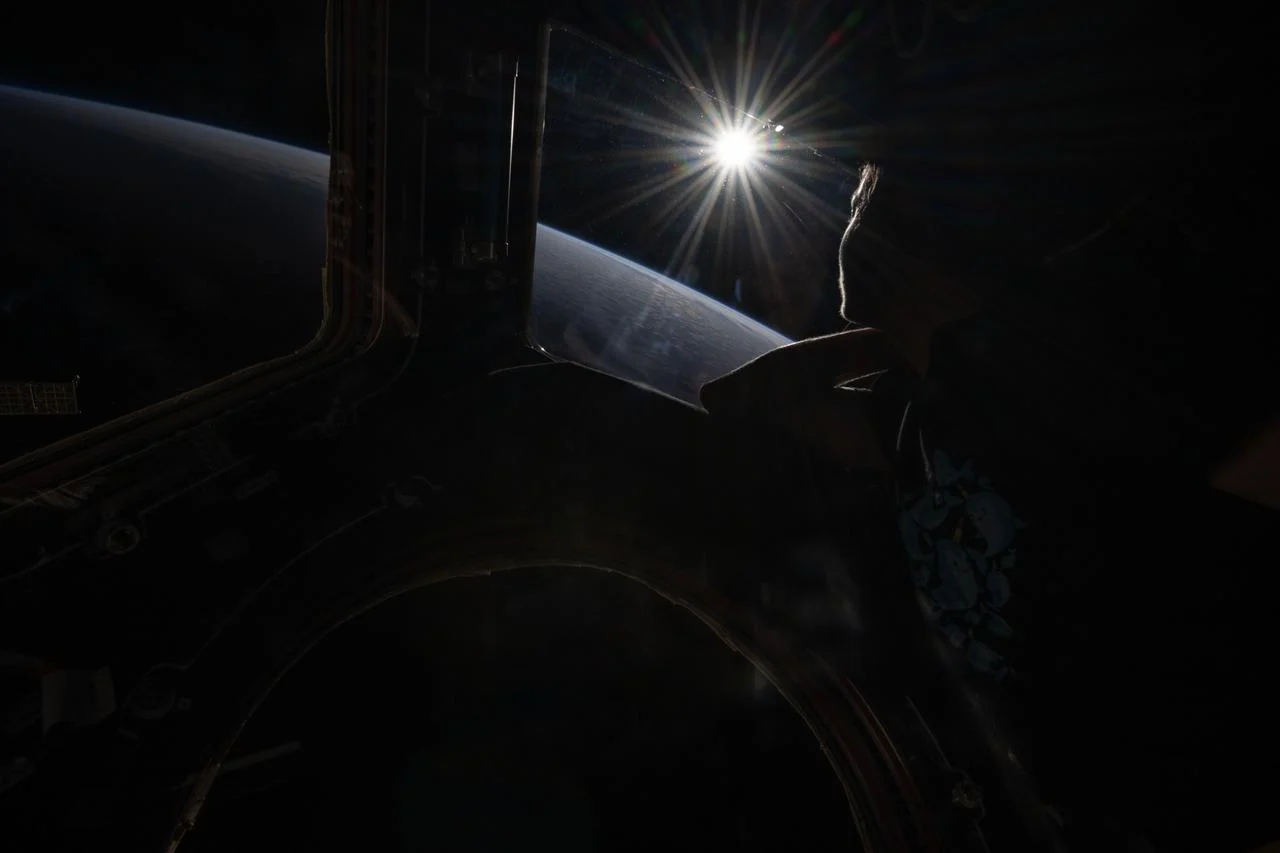
High-gradient thermodynamic insulation stacks, finite-element thermal simulations, and passive energy management.
Explore learning resourcesNASA photographs provide scientific context; they do not depict EXORES experiments.
THE LEARNING SHELF
Start with research methods, then explore Earth data and the engineering systems that shape emissions. These are independent resources from NASA, MIT, and the U.S. Department of Energy.
Open all resources Reading guide
MIT OpenCourseWare / Start a question
Move from a broad topic to a focused question that can guide an investigation.
Explore resource ↗VideoNASA / ISS / Design & test
Astronauts explain how engineering ideas are tested in the conditions of the space station.
Explore resource ↗Data guideNASA Science / Climate & sectors
Find approachable Earth data tools, including resources for students investigating atmospheric CO₂ and land change.
Explore resource ↗PEOPLE BEHIND THE ACADEMY
EXORES is built by people who care about the work and the community around it.
Meet the teamHelp build what comes next
Explore financial support, expertise, equipment, mentoring, and partnership ideas.
Ways to contribute ↗Help organize programs, connect the community, communicate science, or improve operations.
Join the organizational team ↗THE NEXT STEP
Bring your curiosity to a future EXORES research cohort, or help us create the space where others can begin.
Apply to EXORES